
10 Important Considerations to Finding a Great Babysitter
One of the most challenging tasks of the many that a parent has, is finding a reliable babysitter. And when you do have someone reliable, they might not be qualified or experienced. So how can parents find a trustworthy babysitter that they can leave their child with? KidSitter, an on-demand babysitting service which connects parents with trusted babysitters, recommends conducting a thorough interview, document and reference check. By taking your time to meet with the babysitter in person, and going through her background in childcare, you can assess how experienced she is and how well suited she is to you and your child’s needs. KidSitter has outlined the following ten criteria that we use to thoroughly vet our babysitters:
Availability to Babysit
The first thing you should try to understand before you even meet with a babysitter, is whether she would be available when you need her. In other words, if you need a one off babysitting, and you are just looking to get someone who can babysit for you every now and then, think of when you would normally want her to babysit and find out her general availability. For example, if you need someone on Sundays, and she travels to her parents on weekends, then she is probably not going to work out. If you are someone who doesn’t like to plan your evenings in advance, and might tend to be impulsive, you need someone flexible who can come to you with little to almost no advanced notice.
Proximity to your Home
A babysitter who lives an hour away will not work out in the long-term. You need someone who lives close to you, and can get to you quickly and easily. This is especially important if the babysitter ends up staying late at night. The last thing you want is for her to take an hour long bus ride home at one o’clock in the morning. Moreover, a local babysitter knows the neighbourhood, so if you need her to take your child to the park, she will know exactly where to go.
Experience Relevant to you

Every babysitter has a unique background. Some have been maternity nurses or have gone through the joys and tribulations of parenthood themselves, so they are very comfortable with new born children. Some babysitters are university students, training to be nutritionists or therapists, and might not have the right experience to take care of a child under the age of 2 years. Depending on your situation as a parent, the age of your child, any special needs that your child might have or any special requests that you might have, it is always prudent to ask the babysitter about her experience before you continue the conversation. If you need someone to cook your child a healthy meal, there is no sense in talking to someone who might not be able or willing to do so. Similarly, if you have a two year old who needs someone to run around and play with, you may want someone with ample energy to keep him busy. So, think about the type of babysitter you want, and be up front and clear about your expectations.
Proper Identification
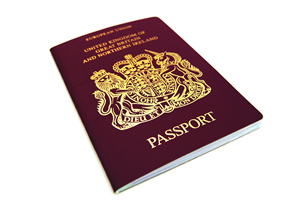
A good look at the babysitter’s photo identification is important, so you can be assured the babysitter is who she claims to be. A passport or a drivers license are both good examples of acceptable forms of ID, as they have both a recent photo, and a signature. Just make sure the document is not expired, and always ask for the original document.
Clean DBS Certificate
A DBS certificate, which stands for Disclosure and Barring Service, formerly known as a CRB check, tells you whether a person has any criminal history. It is issued by the Home Office and its purpose is to help employers make safer recruitment decisions and prevent unsuitable people from working with vulnerable groups, especially children. A DBS certificate can only be requested by an employer or a potential employer. In other words, a babysitter who wishes to work for a family cannot apply to receive a DBS certificate of herself.

Paediatric First-Aid Training
There are many different types of first-aid courses and certifications, depending on the objective. But for those in child care, especially babysitters, nannies and au pairs, it is hard to imagine a course more relevant than a paediatric first-aid. A proper paediatric first aid course is recognised by Ofsted, requires two full days of training, costs around £100, and is ideal for those who provide childcare. It covers how to help a baby or child who is choking, bleeding, has an object in their eye, has sickness or fever, has a head injury, has swallowed something harmful and provides training to childcare professionals on how to react to a number of child specific scenarios. A regular first-aid or an emergency first-aid course just does not have the same level of focus on children. Most childcare professionals already have a paediatric first-aid. That is another way to assess how serious someone is about childcare. If they are babysitting only as a way to earn a little extra on the side, they are unlikely to invest in a paediatric first-aid course. Also, paediatric first-aid certificates are valid for three years from the date of issue. It is highly recommended to check the date of issue, and request a paediatric first-aid certificate issued less than three years ago.
Profession Related to Childcare
It is important to know what a babysitter does outside of babysitting hours. This is a key consideration to finding a great babysitter. It is always preferable if a babysitter is also someone who works as a childminder, a nanny, au pair, nurse, teacher or is a student training to be a care giver (doctor, nurse, dietician, nutritionist, therapist etc.). If they are dedicated professional care providers, they will likely be up-to-date on all new developments in their field, have the necessary qualifications, certifications and training. Caring for children also requires someone with patience, tolerance and know-how, and people who work in such professions tend to have the right temperament. Some of them are likely to have children of their own as well, which makes a big difference.
Directions to the Interview Location
When KidSitter interviews babysitters, it is usually at a neutral venue, which requires the sitter to travel a little bit and navigate her way to an area which is unfamiliar to her. It might surprise you to know that this is often a strong indicator of whether a babysitter can follow directions. If she gets to the interview without problems, she is likely to find your place without problems. When interviewing babysitters, it is good practice to do so at a venue that is a little bit demanding to get to.

Communication During the Interview
Imagine a situation where the babysitter arrives promptly at 7p. You barely have any time to bark instructions before you have to dash out, but you manage to cram it all in one breath. You want to be sure your babysitter picks up on everything you are saying. Well, one way to assess this is during the interview. You have to be sure your babysitter has the ability to pick up instructions quickly, and communicate well both with you and your baby, and one way to do that is by putting her listening skills to test during the interview. Try to give her a lot of information in a short span of time and see how she reacts to it. Communication, comprehension and chemistry are very important and an actual face to face interview is the best way to judge how a babysitter scores in these areas.
Reference Checks
This is a very important part of the vetting process. you simply cannot hire a babysitter without someone who can vouch for her professionally. It goes without saying that personal references are not acceptable. At least two professional references must be provided, and you should endeavour to call each of them. It takes time to reference check babysitters, in fact, it is the most tedious part of the entire process of finding the right babysitter. References can be hard to get hold off, but you must persevere and make sure you talk to them. Nothing less than a stellar reference should be accepted. As it is, references tend to be slightly biased toward the reference seeker. For one, they don’t want to be responsible for someone not getting a job. Then there is also the fact that reference feel compelled to repay the trust that the reference seeker has bestowed upon them. So a lukewarm reference, even if generally positive, is not good enough.
Let’s face it. We would all like to have a young, energetic babysitter we can trust, who lives down the street, charges £7 per hour and has been recommended by the neighbours. But ask yourself whether you really want to entrust the most valuable thing in your life, to someone who likely doesn’t have any formal training or certification in childcare, who wouldn’t know how to react in an emergency situation, who has had no experience in providing professional care to a child and really has no references except her mum and your neighbour. For reliable, trustworthy babysitters who take care of children for a living, you should be prepared to go through the above steps and pay at least £9 or £10 per hour for the babysitter. Alternatively, you can always book a babysitter through a service like KidSitter, who do all the work for you so you can enjoy peace of mind.